

14 Small Business Expense Categories to Consider
3 min read
An expense account needs to have a total balance, as well as the balance for each sub-account. This lets you view your expenses at a glance, making it easy to track costs. The costs someone can deduct are also determined by the type of business you run. If someone is a sole proprietor, his list of tax deductibles may differ from that of a limited company. Non-operating expenses are shown on the income statement after OPEX and are deducted from the operating profit.
- To ensure the success of a business indirect expenses must be incurred, but they cannot be directly linked to the costs of its core product/service offering.
- Other types of insurance include health insurance, home insurance, renter’s insurance, flood insurance, life insurance, disability insurance, etc.
- You can usually find industry benchmarks from industry associations, trade organizations, or your chamber of commerce.
- Expenses can be defined as fixed expenses, such as rent or mortgage; those that do not change with the change in production.
- When the advertising occurs the prepaid advertising is reduced and advertising expense is recorded.
What is your current financial priority?
- However, some overhead costs (exceptions) can be directly related to a product, so a part of such costs may be direct.
- This category is often seen as a drain on the revenue of many companies, as it is often abused.
- The cost of rent relating to production and sales activities are charged to the cost of sales and selling expenses instead of operating, general, and administrative expenses.
- Sage makes no representations or warranties of any kind, express or implied, about the completeness or accuracy of this article and related content.
- Consequently, direct expenses tend to fluctuate with the speed of production.
- Indirect expenses are necessary to keep the business up and running, but they can’t be directly related to the cost of the core revenue-generating products or services.
Cost is the monetary measure (cash) that has been given up in order to buy an asset. An expense is a cost that has expired or been taken up by activities that help generate revenue. Therefore, all expenses are costs, but not all costs are expenses. Although the situation may be different in today’s world, direct and indirect expenses should be handled according to their respective rules regardless of the expense.
Want More Helpful Articles About Running a Business?
Cutting expenses might enable businesses to increase their sales revenue even further. The statement of cash flows is where the actual timing of cash payments for all expenditures will be reflected. To learn more, check out CFI’s free tutorial on how to link the three financial statements in Excel. An exception to this rule is where the services are obtained in relation to the acquisition of an asset, in which case its cost is accumulated in the cost of that asset.
- Repair and maintenance expenses help to keep the assets of a business in good shape.
- Now that you know the meaning of direct expenses, let’s take a look at its list and examples before moving on to indirect expenses.
- Organizations need to insure their assets against a range of adversities, such as the outbreak of fire, earthquakes, theft, and diseases.
- The payments of these fees would be categorized under “Professional Services”.
- This comprehensive guide will walk you through everything you need to know about business-expense categories.
- Direct expenses can be thought of as any costs other than materials and wages.
Loan & Interest Payments
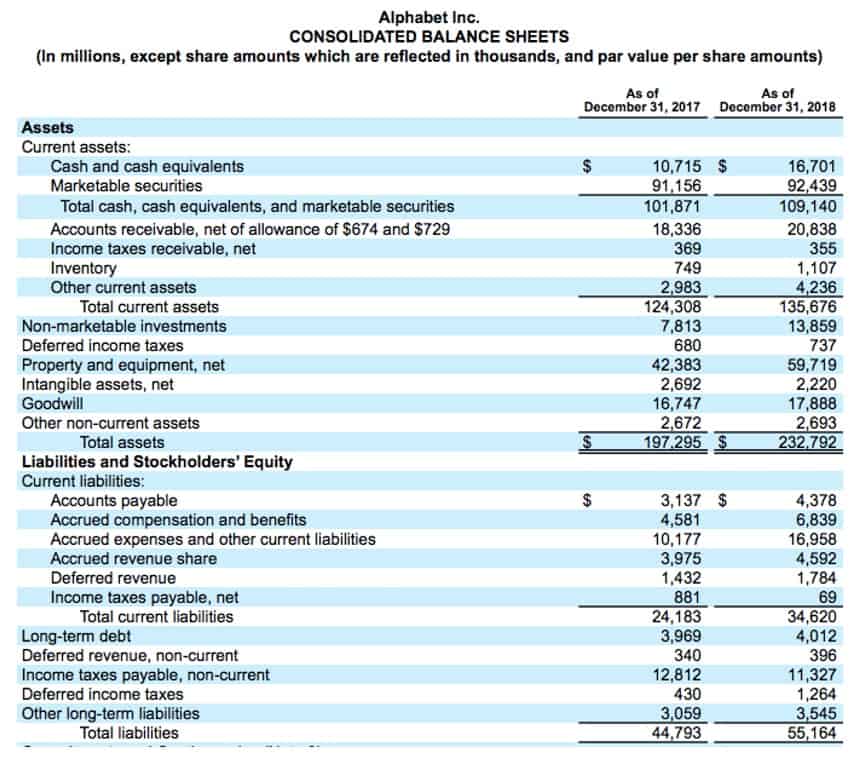
Also, the impact of direct expense on a company’s profitability is more specific and immediate. Take the time to review your expenses, categorize them list of expenses in accounting correctly, and use accounting software to keep track of everything. Use your accounting software to track receipts and attach them to each transaction.
Operating, General & Administrative expenses
If the rented space was used to manufacture goods, the rent would be part of the cost of the products produced. Overheads are costs that relate to ongoing business expenses that are not directly attributed to creating products or services. Office staff, utilities, the maintenance https://www.bookstime.com/ and repair of equipment, supplies, payroll taxes, depreciation of machinery, rent and mortgage payments and sales staff are all considered overhead costs. Sales and marketing overheads are costs incurred in the marketing of a company’s products or services to potential customers.
Would you prefer to work with a financial professional remotely or in-person?